
How to Deal with Noisy Neighbours in a Navi Mumbai Society — Legal Options for Renters
Noisy neighbours in Navi Mumbai society have become a growing concern for many renters and apartment residents. What starts as occasional loud music, late-night parties, renovation work, or constant disturbances can quickly affect sleep, productivity, mental well-being, and overall quality of life. As Navi Mumbai continues to grow with new residential developments in Kharghar, Panvel, Ulwe, Kamothe, Nerul, and Seawoods, maintaining peace within housing societies has become more important than ever.
Fortunately, renters are not helpless when facing such situations. Whether the disturbance comes from a neighbouring flat, ongoing construction, or repeated violations of society rules, there are several practical and legal options available. Therefore, understanding your rights and the proper complaint process can help you resolve the issue effectively while preserving harmony within the community.
Why Noise Complaints Are Rising in Navi Mumbai
Navi Mumbai has witnessed rapid residential growth over the last decade. As a result, thousands of families now live in high-rise apartment complexes where residents share common facilities and living spaces.
Moreover, modern lifestyles often contribute to increased noise levels. For example, work-from-home arrangements, social gatherings, home renovations, and recreational activities have become more common. While occasional noise is a normal part of community living, continuous disturbances can create significant inconvenience for neighbouring residents.
Furthermore, developing localities such as Ulwe, Taloja, and Panvel continue to experience construction activity. Consequently, residents may frequently encounter drilling sounds, machinery noise, and transportation-related disturbances.

What Qualifies as Excessive Noise?
Not every sound automatically becomes a legal issue. After all, apartment living involves a reasonable level of everyday activity.
For instance, the following are generally considered normal:
- Household conversations
- Television at moderate volume
- Children playing during reasonable hours
- Daily household activities
- Occasional family gatherings
However, certain behaviours may cross acceptable limits. In such cases, residents may have valid grounds for filing complaints.
Examples include:
Loud Music During Night Hours
Playing music at high volumes late at night can disturb neighbouring families. Additionally, repeated violations often attract society complaints and police intervention.
Frequent House Parties
While celebrations are perfectly acceptable, regular late-night parties can create a nuisance. Consequently, affected residents may seek assistance from society management.
Renovation Beyond Permitted Hours
Home improvement work is often necessary. Nevertheless, construction activities must follow approved timings. Otherwise, residents may file formal objections.
Repeated Disturbances
Even moderate noise can become problematic when it occurs regularly. Therefore, frequency often matters as much as volume.
Understanding Noise Pollution Laws in India
Fortunately, Indian law provides protection against excessive noise pollution. The Noise Pollution (Regulation and Control) Rules, 2000 establish permissible sound levels and empower authorities to take action against violations.
Generally, residential areas are expected to maintain lower noise levels than commercial zones. Furthermore, loud noise during nighttime hours is subject to stricter scrutiny.
As a result, activities such as blasting music after 10 PM may attract penalties or police intervention. However, specific circumstances and permissions can sometimes affect enforcement.
Therefore, residents should familiarize themselves with local regulations before pursuing legal action.
Step 1: Speak to Your Neighbour Politely
Before taking formal action, it is usually advisable to have a friendly conversation with the neighbour involved.
In many cases, residents simply do not realize they are causing inconvenience. Therefore, a respectful discussion can often resolve the issue quickly and peacefully.
For example, you might explain:
- The specific noise problem
- The times when disturbances occur
- How the noise affects your daily routine
Quite often, neighbours cooperate once they understand the impact of their actions.
Mumbai’s Top 5 Most Costly Neighbourhoods
Step 2: Keep Proper Documentation
If the problem continues, documentation becomes extremely important.
Therefore, start maintaining a record that includes:
- Dates of incidents
- Times of disturbances
- Type of noise involved
- Audio or video recordings
- Witness statements from other residents
Additionally, keep copies of any messages exchanged regarding the issue.
As a result, you will have evidence to support your complaint if society management or authorities become involved.
Step 3: Submit a Written Complaint to the Society
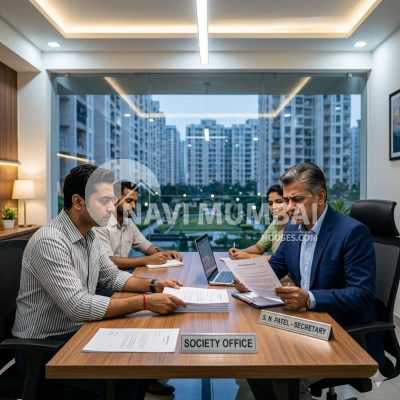
If direct communication fails, the next step is to approach the housing society.
Most societies have bylaws that address resident behaviour and community disturbances. Consequently, management committees can issue warnings and initiate corrective measures.
When submitting a complaint, include:
- Details of the disturbance
- Frequency of occurrence
- Evidence collected
- Previous attempts to resolve the matter
Furthermore, request written acknowledgment of your complaint for future reference.
In many situations, society intervention successfully resolves disputes without requiring legal action.
Step 4: Contact the Local Police
If the disturbances persist despite society intervention, you may contact the local police station.
Police authorities can act in cases involving:
- Loud music after permitted hours
- Repeated nuisance complaints
- Public disturbances
- Noise pollution violations
Moreover, providing documented evidence often strengthens your case considerably.
Therefore, maintain detailed records before approaching law enforcement agencies.
Step 5: Approach Environmental Authorities
In certain situations, noise complaints may involve commercial establishments, construction sites, or other large-scale activities.
In such cases, residents may contact the Maharashtra Pollution Control Board (MPCB).
Additionally, municipal authorities can investigate ongoing violations and take appropriate action.
Consequently, persistent offenders may face penalties or restrictions.
Can Renters Take Legal Action?
Yes, renters have legal rights.
Many tenants mistakenly assume that only property owners can file complaints. However, every lawful occupant has the right to peaceful enjoyment of their residence.
Therefore, renters may pursue legal remedies when disturbances become severe and continuous.
Possible options include:
Civil Remedies
Residents may seek court orders to prevent ongoing nuisance activities.
Public Nuisance Complaints
Authorities can intervene when disturbances affect multiple residents or public peace.
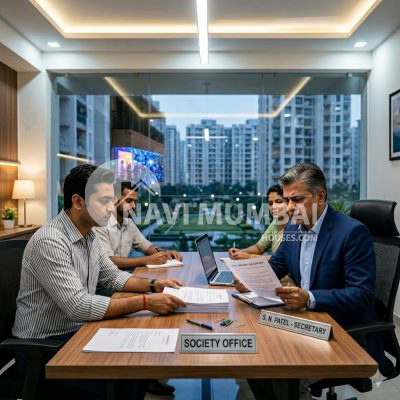
Society-Level Action
Housing societies may impose penalties, warnings, or restrictions on residents who repeatedly violate community rules.
Consequently, tenants should not hesitate to assert their rights through proper channels.
Common Mistakes to Avoid
Although dealing with noisy neighbours can be frustrating, certain actions may worsen the situation.
Therefore, avoid:
- Aggressive confrontations
- Social media accusations
- Threats or harassment
- False or exaggerated complaints
- Ignoring official complaint procedures
Instead, remain professional and follow the established process. As a result, your complaint is more likely to receive serious consideration.
Why Early Action Matters
Many renters tolerate disturbances for months, hoping the issue will resolve itself. Unfortunately, that rarely happens.
Instead, unresolved conflicts often escalate over time. Therefore, addressing the problem early can prevent larger disputes later.
Moreover, early intervention helps protect:
- Sleep quality
- Mental well-being
- Work productivity
- Neighbourly relationships
- Overall quality of life
Consequently, taking timely action benefits everyone involved.
Final Thoughts
Living in a peaceful environment is essential for comfort, health, and overall happiness. Although occasional noise is unavoidable in apartment communities, continuous disturbances should never be ignored.
Fortunately, renters in Navi Mumbai have multiple options available. First, try polite communication. Next, document the issue carefully. Thereafter, involve society management and, if necessary, local authorities.
Ultimately, the goal is not conflict but resolution. By following the proper process and understanding your rights, you can protect your peace of mind while maintaining a positive community atmosphere.
If you’re searching for tenant-friendly rental properties in Navi Mumbai with well-managed residential societies, explore verified listings on Navimumbaihouses.com and make a more informed rental decision.