Rental Flat Inspection During Monsoon – Tenant Guide 2026
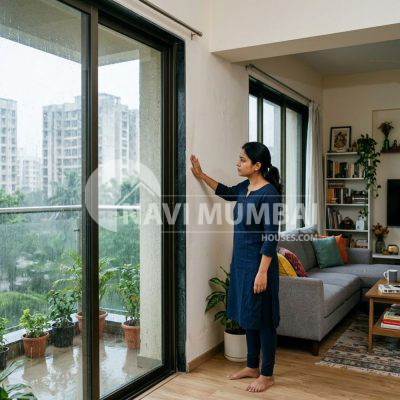
Monsoon can reveal problems that remain hidden during summer. That is why a proper Rental Flat Inspection During Monsoon is essential before you sign a rental agreement in Navi Mumbai. Areas such as Kharghar, Panvel, Ulwe, and Taloja receive heavy rainfall every year. A careful inspection can save you from leakage issues, repair expenses, and daily inconvenience later.
According to several renter inspection guides published before the 2026 monsoon season, roof leakage, wall seepage, blocked drains, and window leakage remain among the most common tenant complaints across India. This makes a detailed inspection one of the smartest steps before moving into a rented home.
Why Monsoon Inspection Matters in Navi Mumbai
Navi Mumbai receives about 2,000 mm to 2,500 mm of annual rainfall, depending on the locality. During peak monsoon months, even well-maintained buildings can face moisture-related problems.
Many renters focus on rent and location. However, they often miss structural issues. A flat with a monthly rent of ₹18,000 can become expensive if you spend thousands on temporary repairs or damaged furniture.
Localities such as Kharghar, Ulwe, and Panvel have seen major residential growth over the last five years. Projects by developers like CIDCO and L&T Realty have improved housing quality. Even so, tenants should inspect every flat carefully before finalizing a deal.
Rental Flat Inspection During Monsoon: Check Walls and Ceilings First
Look for Dampness and Water Stains
Start with the walls and ceilings. Check every room, especially corners and areas near windows.
Watch for:
- Yellow or brown water stains
- Peeling paint
- Bubbling plaster
- Mold growth
- Damp patches behind furniture
Fresh paint may look attractive. However, some landlords repaint affected areas before listing the property. Ask when the painting was completed and why.
Inspect Bathrooms Carefully
Bathrooms often reveal hidden moisture problems. Examine wall joints, ceiling edges, and tiles near the shower area.
Small seepage marks today can become major leakage issues after several weeks of rain. This means early detection helps you avoid future maintenance disputes.
Test Windows, Balcony Doors and Ventilation
Open Every Window
Open and close each window at least twice. Check whether the frame closes tightly.
Look at the rubber sealing around the edges. Even a small gap can allow rainwater to enter during strong winds.
Many high-rise apartments in Kharghar and Ulwe face direct monsoon winds. Proper sealing becomes especially important in these locations.
Check Airflow Inside the Flat
Poor ventilation increases moisture buildup. Open windows in different rooms and observe air circulation.
A well-ventilated apartment dries faster after humid weather. This reduces mold growth and keeps indoor air healthier.
If the flat includes a balcony, inspect door tracks for dirt or blockage. Water often accumulates in clogged balcony channels.
Inspect Plumbing and Drainage Systems
Test Every Tap
Run all taps for at least two minutes. Check water pressure in both bathrooms and the kitchen.
Weak pressure may indicate plumbing issues. Strong pressure often signals better maintenance.
Check Drainage Speed
Fill a bucket and pour water into bathroom drains. Observe how quickly the water disappears.
Slow drainage may indicate partial blockage. During heavy rainfall, blocked drains can worsen quickly.
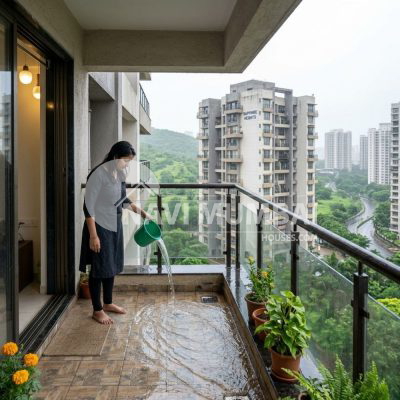
Verify Balcony Drainage
Pour water across the balcony floor. The water should flow directly toward the drain.
Standing water can damage flooring and increase mosquito breeding during monsoon months.
Also inspect the area beneath kitchen and bathroom sinks. Hidden leaks often appear there first.
Ensure Electrical Safety During Rainy Season
Electrical problems become more dangerous during monsoon. Therefore, tenants should spend extra time inspecting safety systems.
Examine Switchboards
Look for rust, discoloration, or water marks around switchboards.
Signs of moisture can indicate previous leakage. Test switches and electrical sockets as well.
Check Safety Devices
Ask whether the flat includes MCBs and ELCBs. These devices automatically cut power during electrical faults.
Modern residential projects in Navi Mumbai typically include these safety features. Older buildings may require additional verification.
Inspect Exposed Wiring
Pay special attention to balconies, utility areas, and bathrooms.
Exposed wires near wet zones increase safety risks. Report concerns before signing the agreement.
Questions Every Tenant Should Ask the Landlord
A physical inspection is important. In addition, direct questions often reveal issues you cannot see.
Ask these five questions:
- Was there any leakage during the last monsoon?
- Were waterproofing repairs completed recently?
- Has the building faced waterlogging problems?
- How often does the society clean drainage systems?
- Can you share maintenance records or photographs?
Several Navi Mumbai societies maintain annual waterproofing schedules. Request proof whenever possible.
You can also review housing regulations and consumer guidelines through MahaRERA for additional awareness before signing agreements.
Practical Tenant Checklist Before Finalizing the Flat
Before paying the deposit, spend at least 30 to 45 minutes inspecting the property.
| Inspection Area | What to Check |
|---|---|
| Walls & Ceilings | Dampness, stains, peeling paint |
| Windows | Seals, gaps, locking condition |
| Balcony | Water drainage and floor slope |
| Plumbing | Water pressure and leakages |
| Electricals | MCBs, ELCBs, moisture signs |
| Building Surroundings | Waterlogging risk and drainage |
This checklist can help you avoid unexpected repair issues after moving in.
For additional guidance, read our complete guide on How to Verify Property Documents in Navi Mumbai, Monsoon Home Maintenance Tips for Residents, and Best Areas to Rent a Flat in Navi Mumbai on NaviMumbaiHouses.com.
Frequently Asked Questions
How long should a monsoon rental inspection take?
A detailed inspection should take about 30 to 45 minutes. Spend extra time checking walls, windows, balconies, and bathrooms. Rushing through the process can cause you to miss important warning signs.
Is seepage a valid reason to reject a rental flat?
Yes. Active seepage can damage furniture, clothing, and electronics. It may also create health concerns due to mold growth. Most tenants prefer flats without visible leakage issues.
Should I inspect the society surroundings during monsoon?
Absolutely. Walk around the building and nearby roads. Check whether water accumulates near entrances, parking areas, or access roads. Local flooding can affect daily travel and property access.
Final Thoughts
A careful Rental Flat Inspection During Monsoon helps you identify hidden problems before they become expensive headaches. By checking drainage, ventilation, seepage, plumbing, and electrical systems, you can choose a safer and more comfortable rental home anywhere in Navi Mumbai.
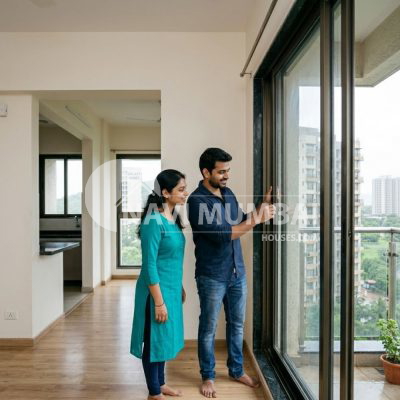
Looking for Rental Flats in Navi Mumbai?
Browse our verified listings at NaviMumbaiHouses.com or call our team directly at 8433959100 for expert guidance.
We help buyers, investors, and families find the right property in Navi Mumbai – faster.